
Powerful Women; Destroyers and Healers
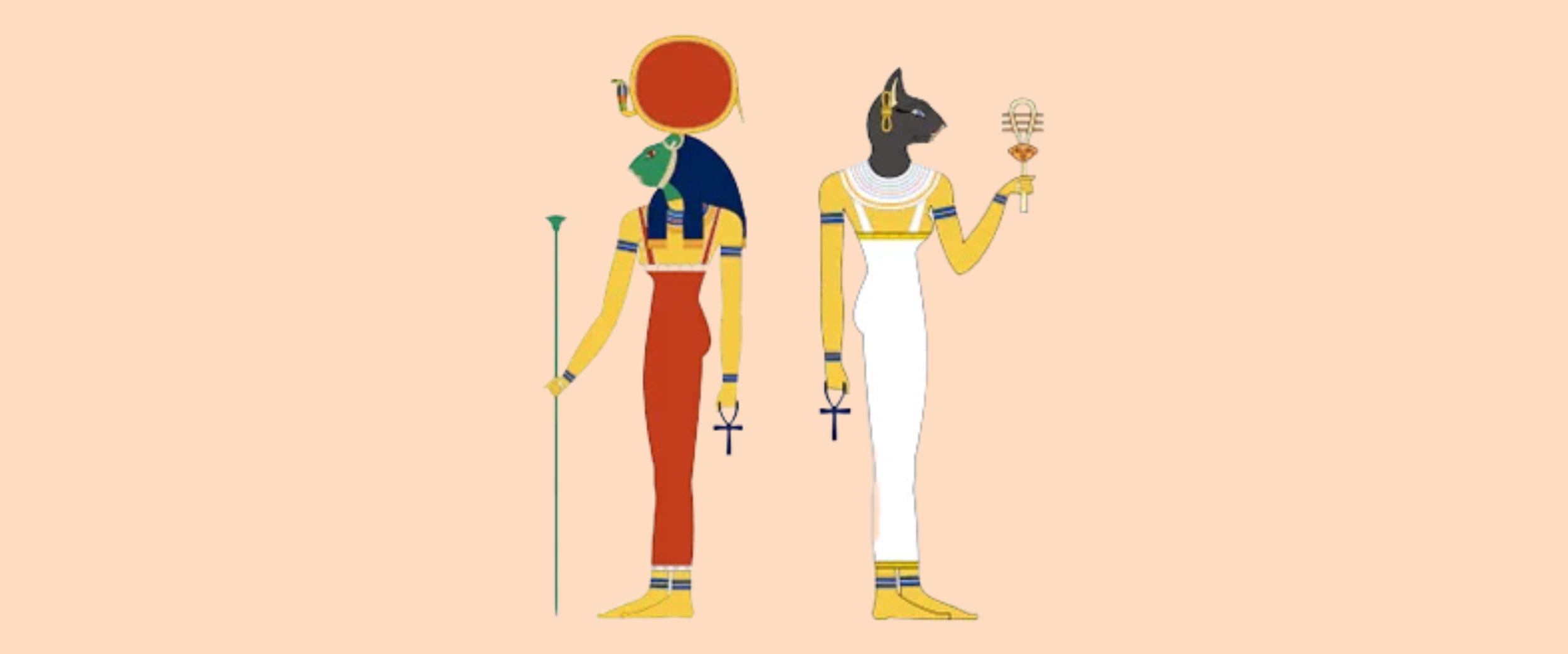
I was so touched that Sarah reached out to me as a guest writer. I must admit, I had to do a deep dive on the goddess Sekmeht. Did you know Skemeht was an Egyptian goddess who was a destroyer and healer? The goddess of war AND medicine! She has become known as the protector of physicians and a patron of powerful women.
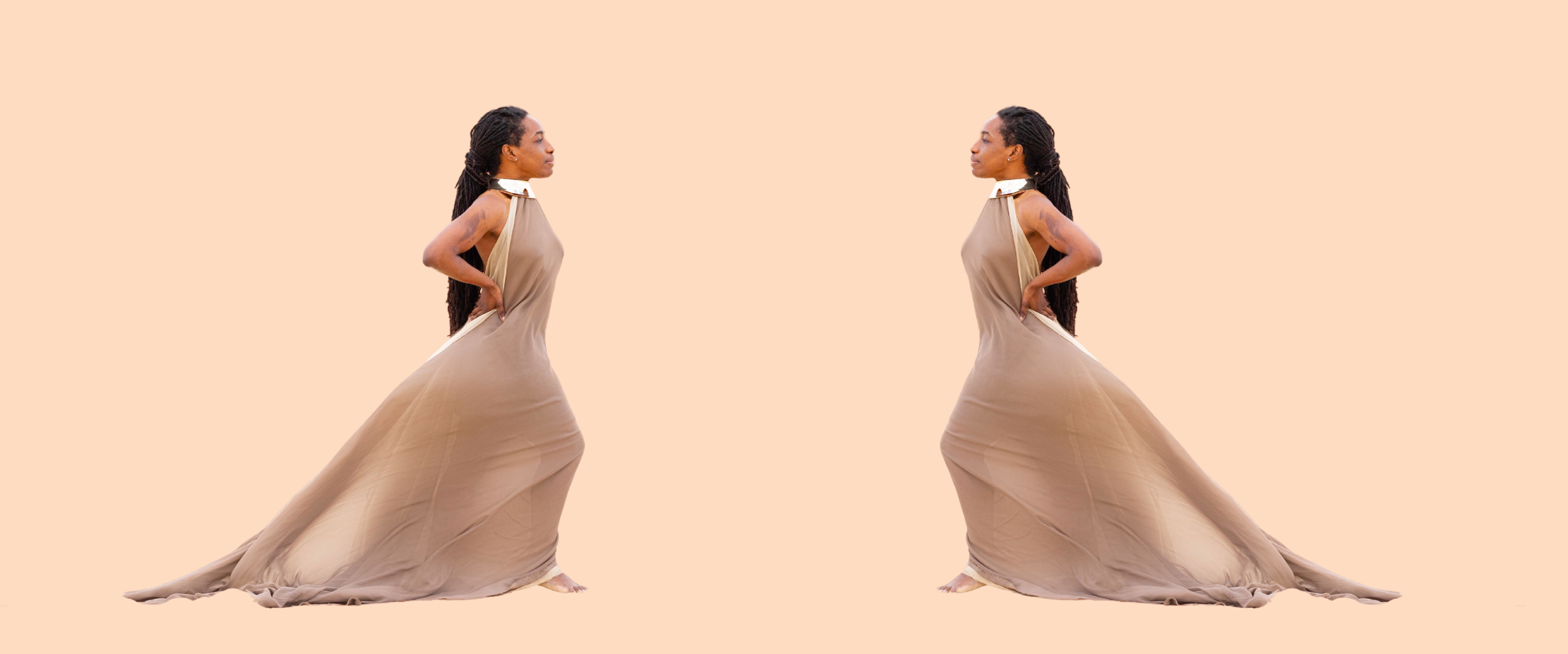
Goddess Tia
That powerful woman part really stuck with me. I photograph many powerful women. Women who are stepping into new careers, new roles, new chapters in their journeys. Women who, on the surface, are strong but somewhere deep down are worried about showing up as their true selves.
I hear it often, women worried that they are too masculine, not demure enough, not mild-mannered enough. I remember spending last year photographing a lot of women lawyers, and I was amazed at how much self-policing these AMAZINGLY intelligent women did to maintain a balanced look in their headshots.
But then something happens. Usually somewhere around the 30-minute mark of the photo session.
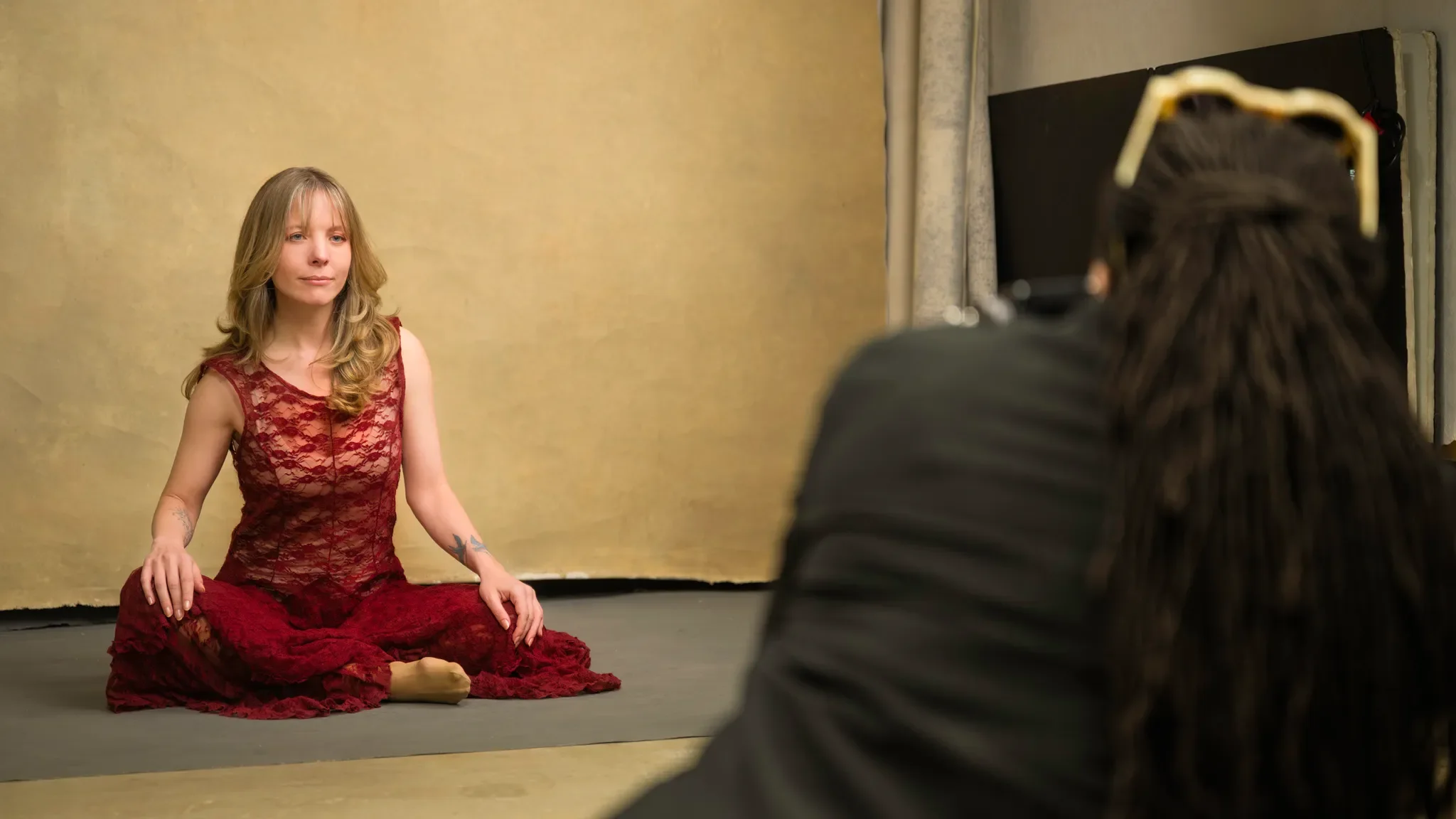
I have been living in Japan for 15 years. I came here, like many folks do, following a feeling I couldn’t really name. Over time, this country taught me something about the relationship between restraint and power. The Japanese aesthetic principle of ma, or negative space. The pause between. The understanding that what is withheld is not weakness but potential.
Or perhaps a lioness before she moves.
Photography, I came to understand, is the same.
Strength is not always outward or immediate. Sometimes it is the stillness. The intentional choice to hold your own gaze in a frame and not look away.
How Does Sekhmet Connect With Being Photographed?
Sekhmet was feared because she represented truth. She was not soft for anyone’s comfort. She didn’t make herself small or meek or palatable like many women or even marginalized people would default to. She was sacred because she was both a healer AND a destroyer.
How often have we deferred to being agreeable as a survival tactic? The professional version of us, the grieving version, and the joyful version of us are all kept in separate rooms. How often are these parts of ourselves seen together? Definitely not photographed together.
When working with others, the question I am always curious about before capturing them is: which rooms are you willing to open? Fun fact: I CAN tell who freely open their doors and who are reluctant.
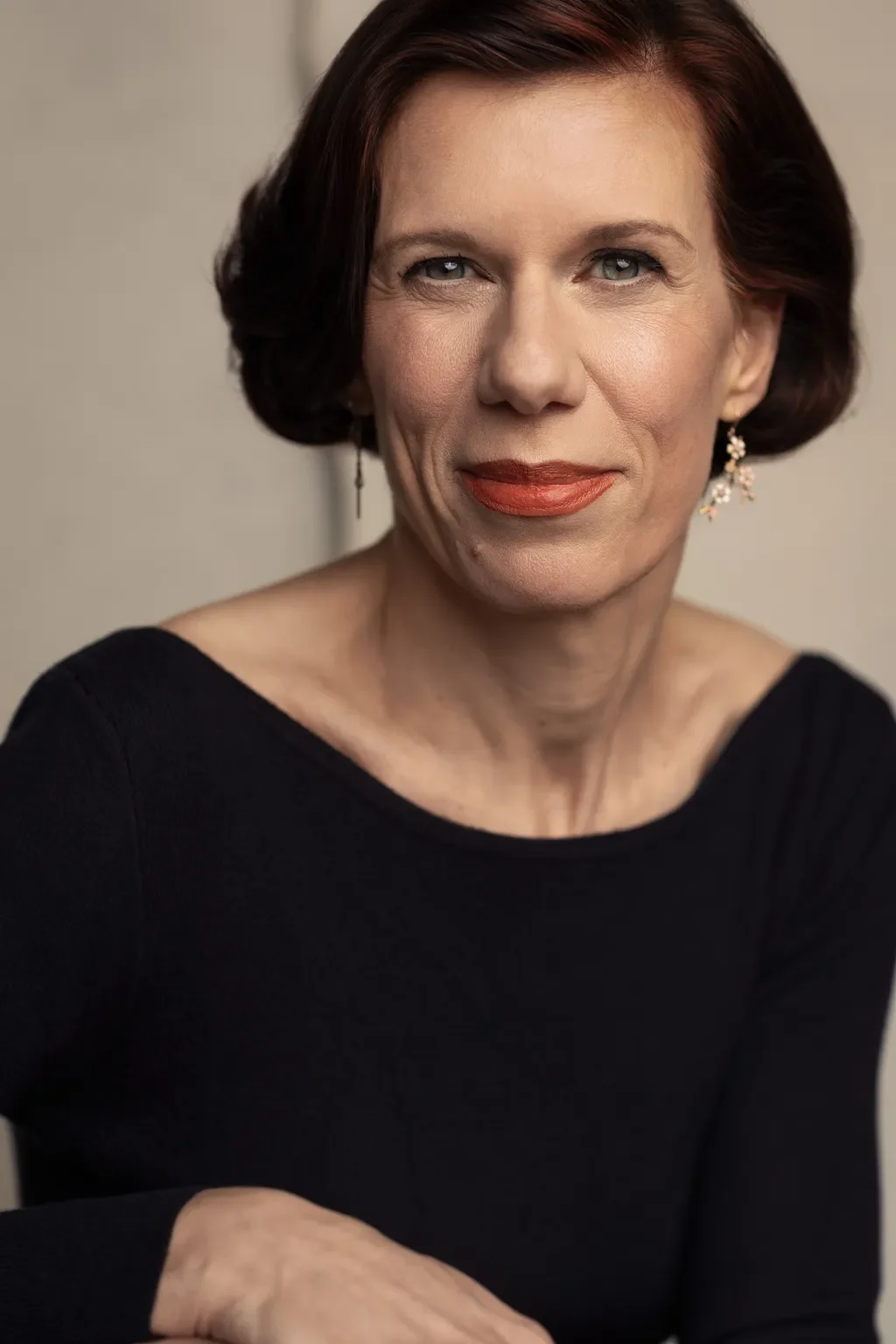
Because of this skill, I wanted to take the opportunity to open a few more doors, moving away from headshots and branding into something more artistic.
Before jumping into connecting with my clients, I wondered if I, too, was following similar social patterns in front of others. Surprisingly, I didn’t wish to be in front of the camera. It seems strange that I wanted to encourage women to step through their own closed doors while I was simultaneously keeping my own door firmly shut! Making myself meek and palatable to people I did not identify with was a lifelong survival strategy. How can I see myself and be proud when I fought so hard to conform and hide who I am? A bubbly black, neurodivergent woman.
I found the strength to open these doors for myself by deliberately scheduling photo sessions with photographers I admired! Not wanting to waste the opportunity, I embraced our conversations and connected with them about things that had nothing to do with being photographed. Nonetheless, our conversations gave me the confidence to present me for me and not me for others.
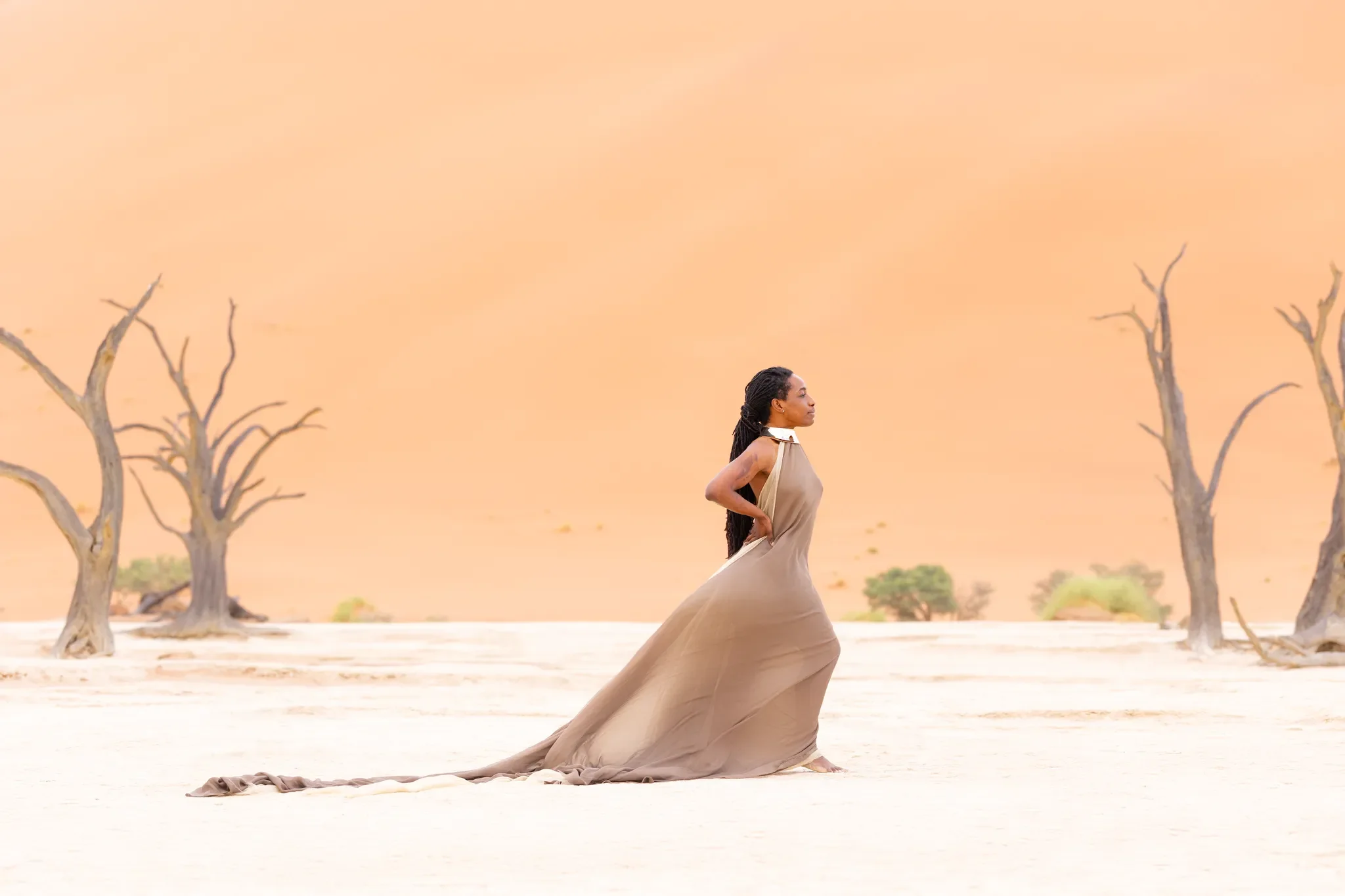
Namibia
This is where my work has created a space for professional branding and office politics to take a backseat. In 2023, I did my first portrait series, 40 over 40. 40 women over 40 years old could shed any and all hesitancies and simply be in their space, however they chose. Some challenged societal conformity while others explored their femininity in its bare form!
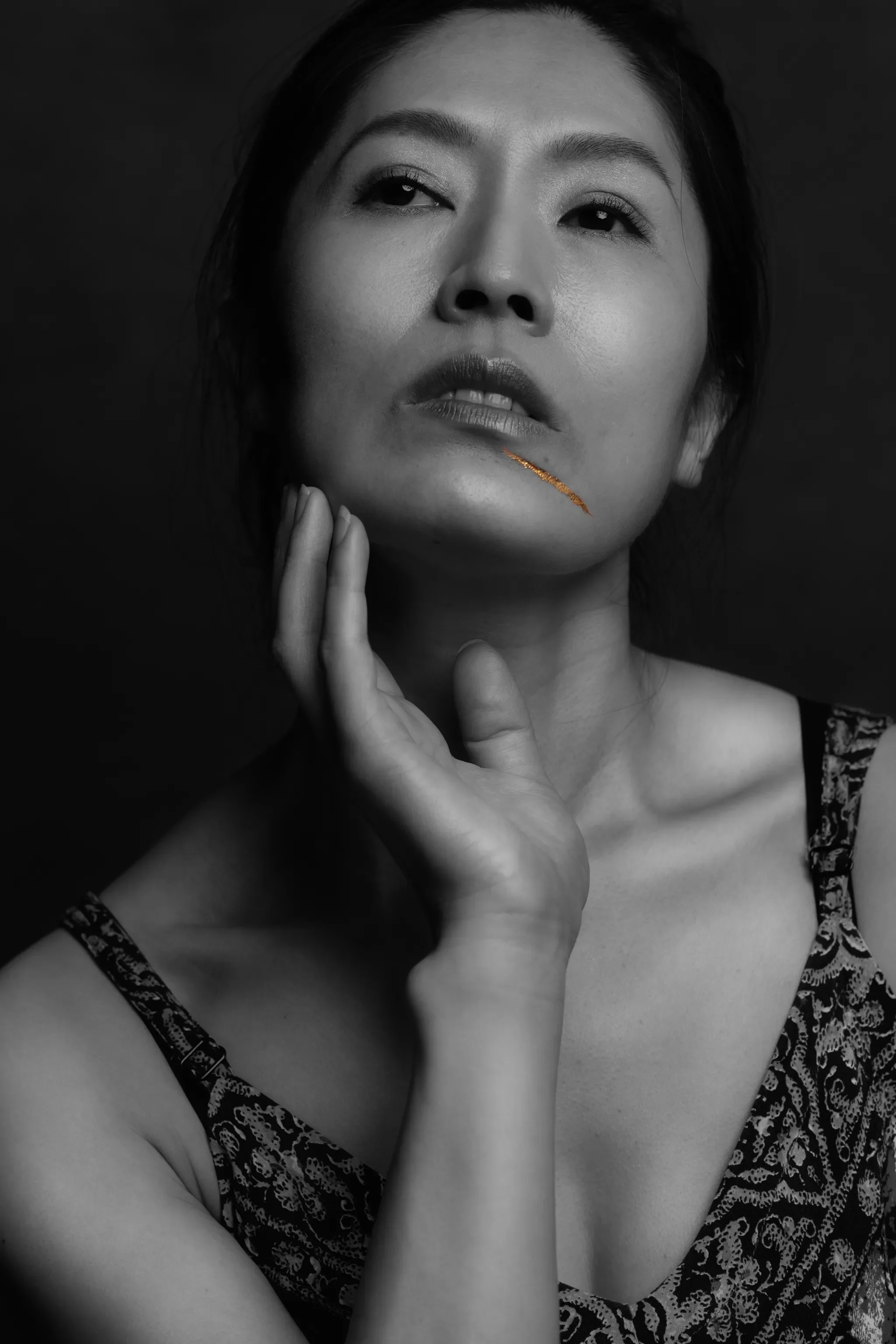
I then continued a new portrait series, called Kintsugi Restoration. Portraits built around the Japanese art of repairing broken pottery with gold. Each person’s Kintsugi Restoration did not hide their fracture. It illuminated it. The broken place (whether it be a scar or internal trauma) becomes the most beautiful part of the person. It tells the truth about everything the person has survived. All doors are wide open.
Why Be Photographed At All?
Being photographed takes courage.
I’m not talking about just showing up. I mean the vulnerability of presenting your face, your body, and your way of carrying yourself in the world of being seen! Having an image of you out there in the universe that other people will look at and form their own opinions of. That your future self will look at. An image that will outlast you!
Sekhmet, despite her destruction, was also called The Beautiful One. That beauty came from her strength! There IS beauty in strength, resilience, determination, dedication, and all the things we’ve been conditioned to think of as unattractive.
A lot of people I’ve photographed have been taught that caring about how they are seen is vanity and that vanity is weakness. I’ve seen some women arrive pre-apologetic or even joke about avoiding their bad side.
If anything, it should be a collaboration between you and the person capturing you.
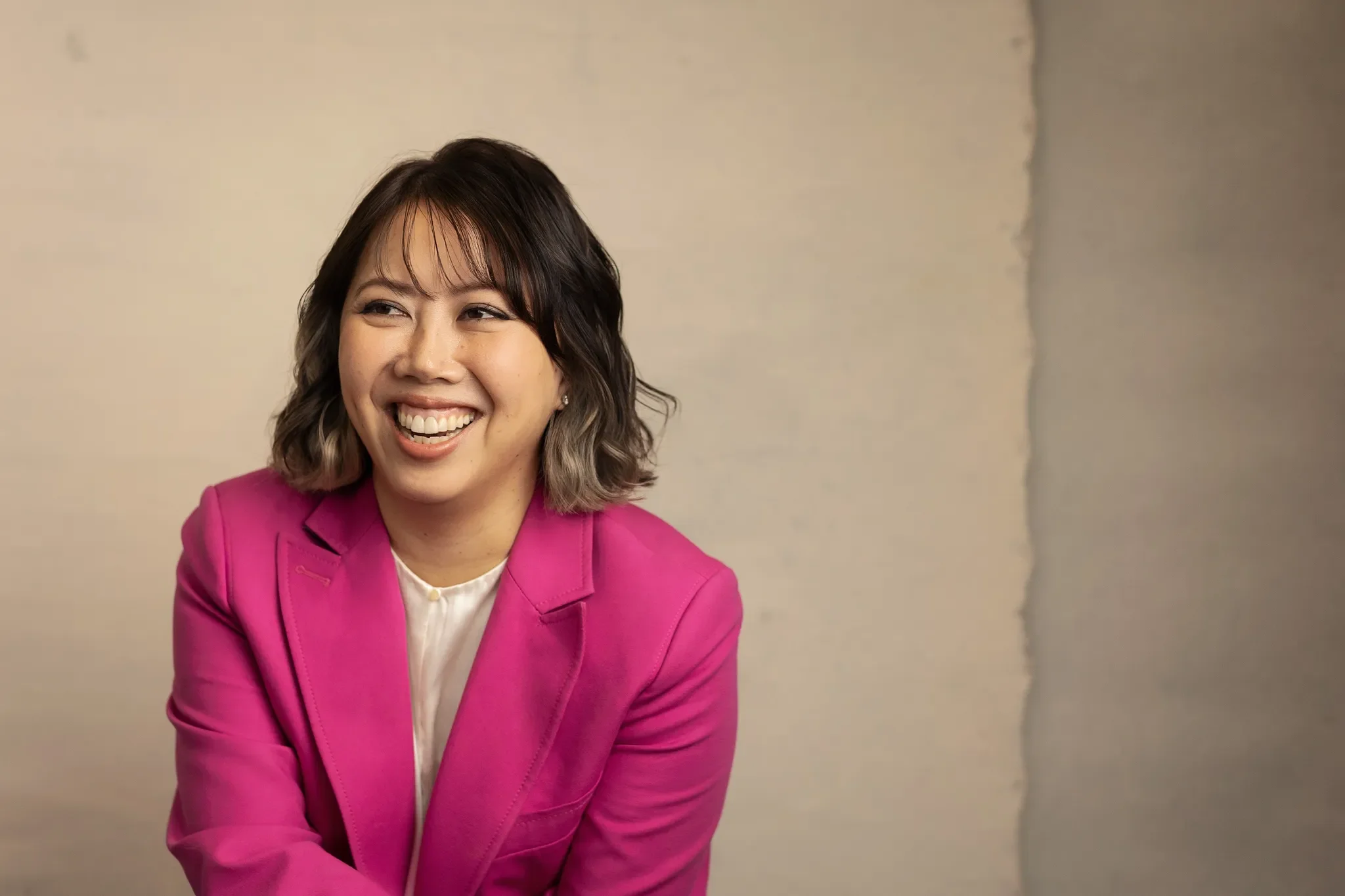
After over 200 sessions with professional women in Japan, I am convinced that a woman’s photograph is deeper than a simple LinkedIn photo. It is something she feels proud of. So much so that it would be the cover to her story.
I have watched these moments happen. A client looks at the back of my camera during our session. For many, a solid nod of recognition of themselves. For others, a shock of disbelief at someone like themselves being captured in such an editorial way: ‘Is that me?’
For both situations, I’d say that recognition of one’s own force makes them closer to their inner goddess. Their inner Sekhmet, perhaps.
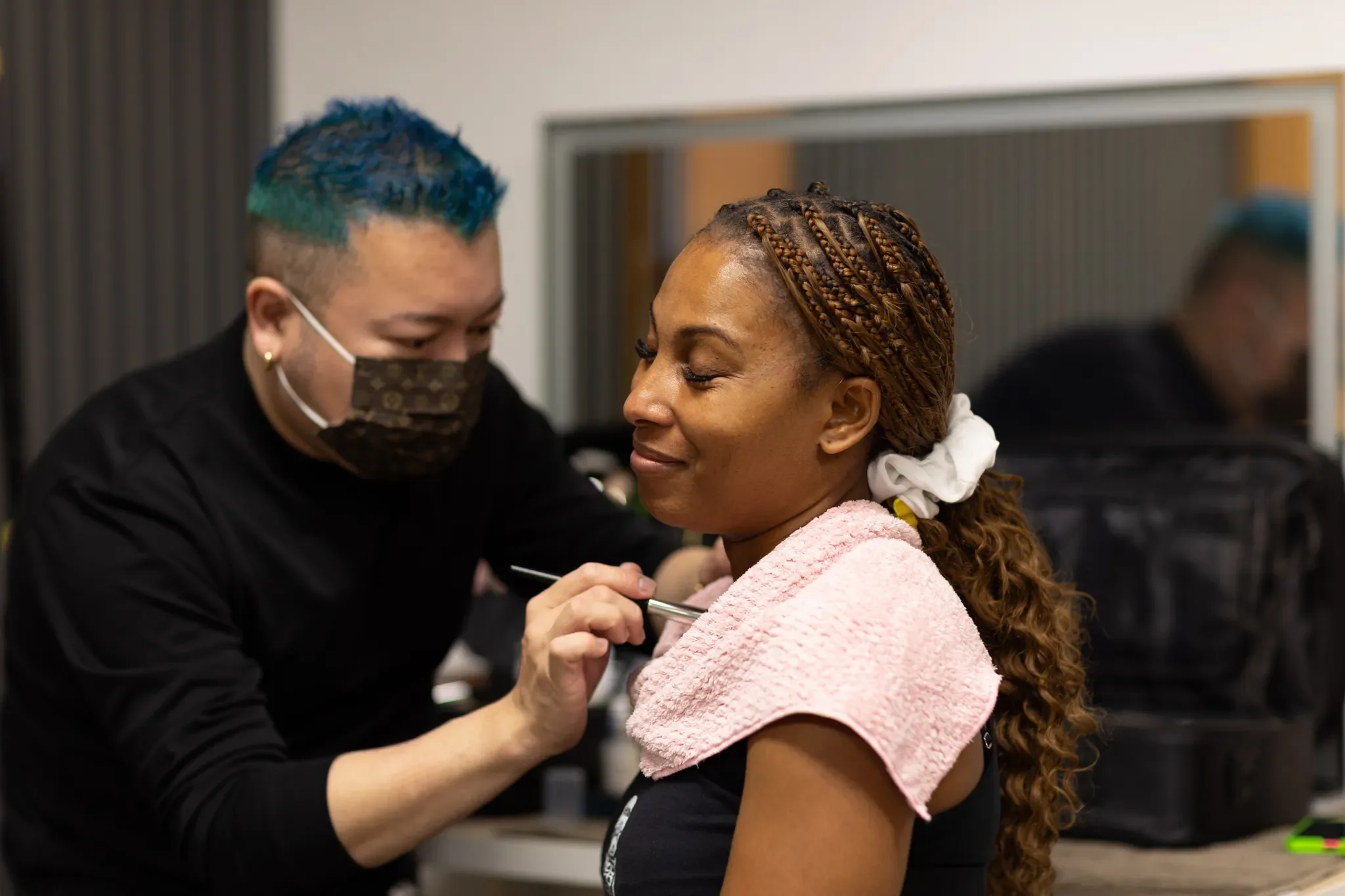
What Are We Healing and What Are We Destroying?
From what I’ve read, Sekmet was, above all else, paradoxical. That same force that brought destruction brought medicine. She was not an easy goddess. She offers no comfort that asks nothing of you. To get, you must give.
Real strength, at least the kind I try to create in my studio, is also not entirely made in comfort. It requires you to let something be destroyed, i.e., that apologetic version of you. The version that arrives pre-edited or pre-minimized. I am here to tell you that this version has already decided it is not worth the full frame of your image.
Sekhmet and I want you to take up more space in the frame.
I, too, have this version of myself that pops up from time to time. I also have to give myself more space in the studio. Someone who stops performing themselves and starts being themselves. Even just for one afternoon in the studio…with the right light, of course.
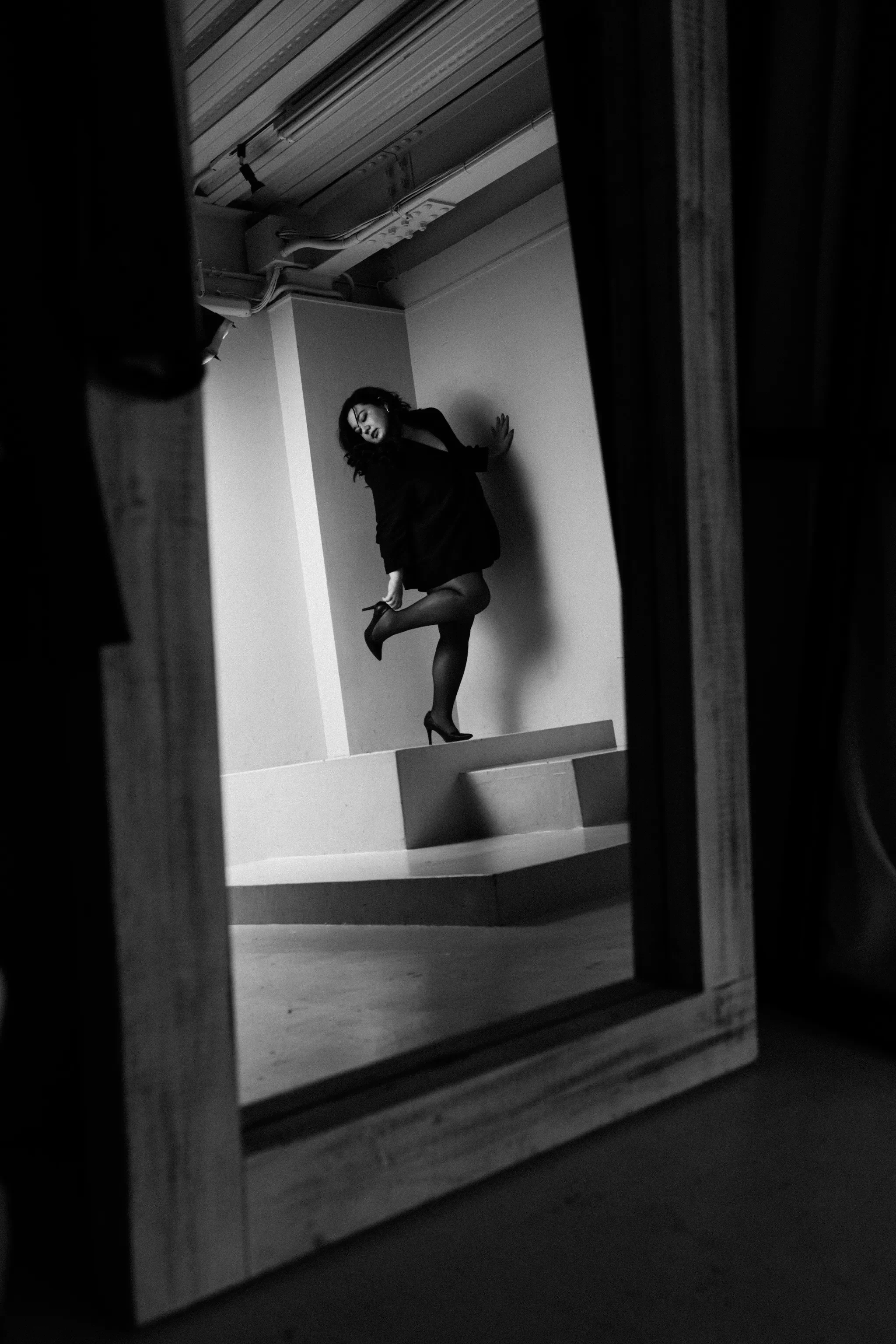
Sekhmet reminds us that the healer and warrior are one and the same. You can be that woman who holds her family together and the woman who sets boundaries that protect herself. The Same Woman! I photograph the whole person. The certain and the discerning. The polished and the real.
This is the portrait I want to make for you.
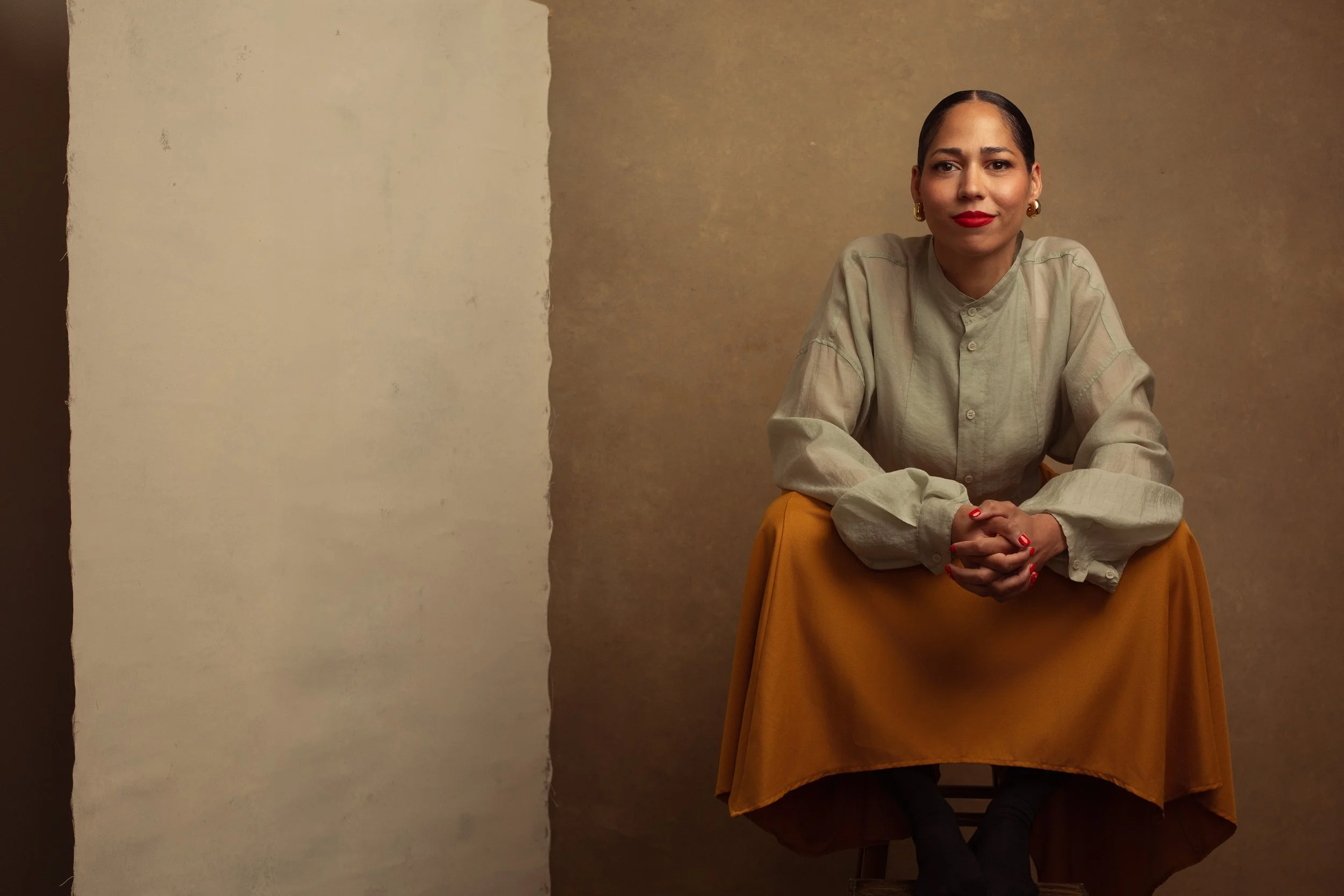
Come in as the lioness.

Tia is the founder and lead photographer of TOPTIA Photography. Her work focuses on professional headshots, corporate and personal portraiture, with a particular commitment to empowering women through the experience of being photographed with full presence and intention. She is currently developing The Kintsugi Restoration Portrait Series.
You can find her at toptia.com and on Instagram and LinkedIn.
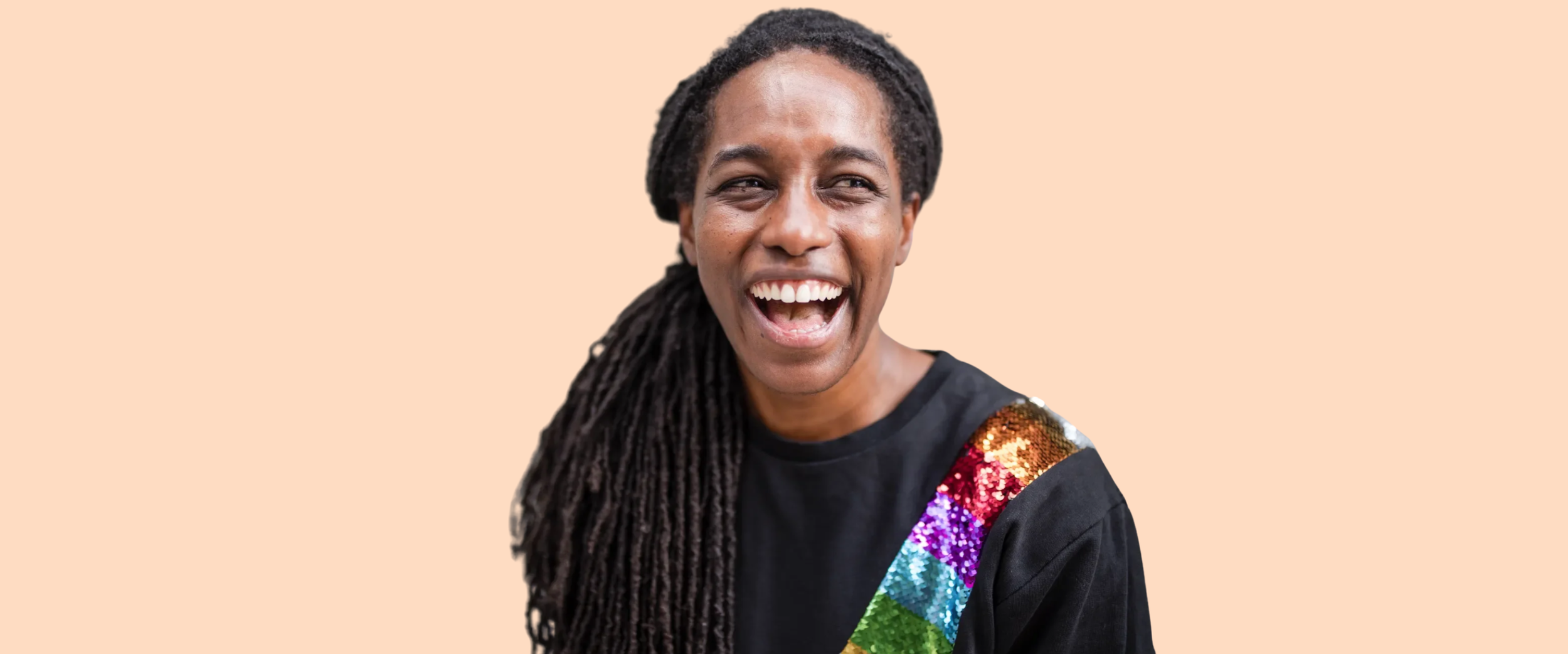
A Legend
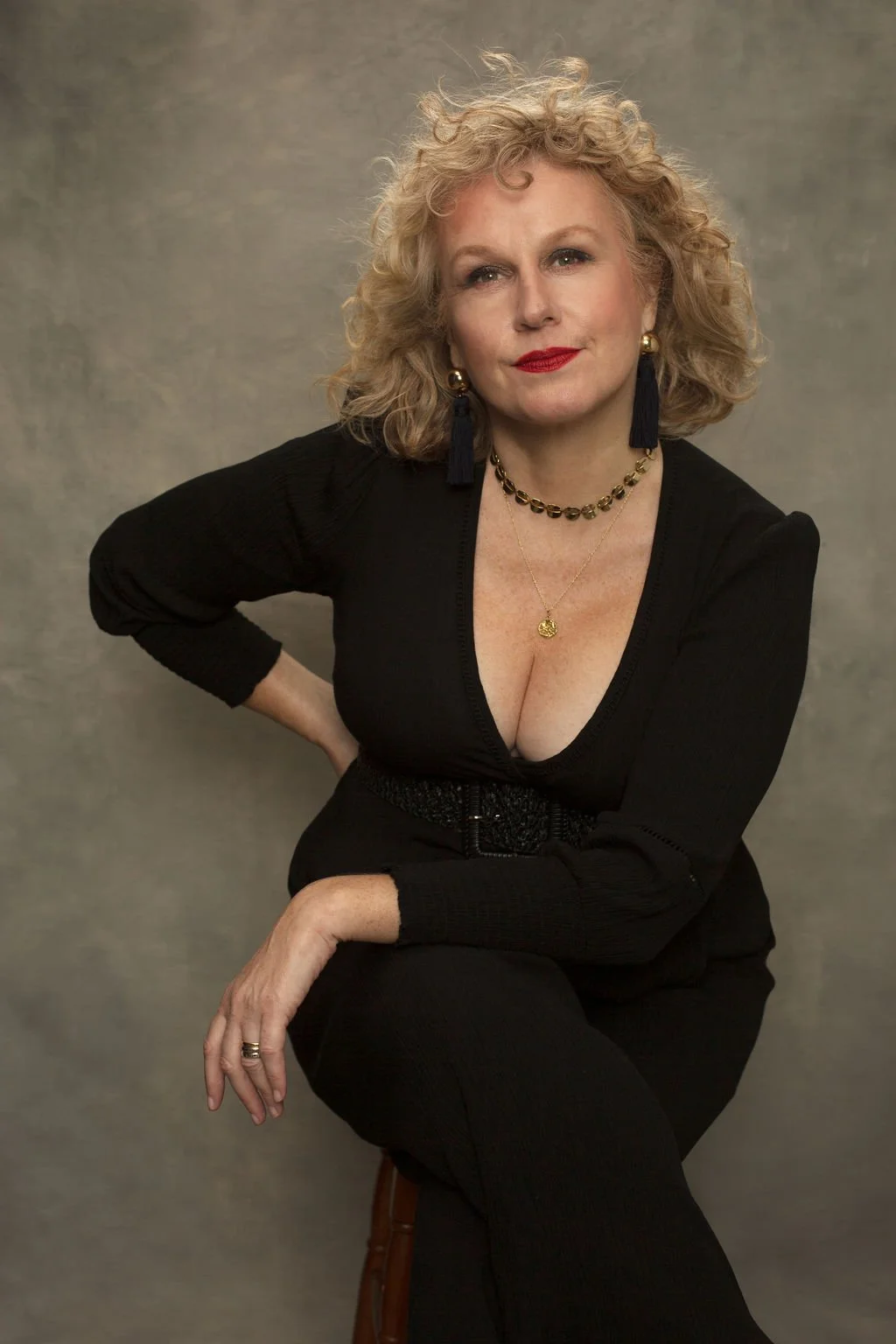
Sarah photographed by Tia