What Strength Mean came to mean to Me
Guest post by Japan-based coach Tilly Takano - break-up coach for mothers navigating break-ups abroad.
Sekhmet Energy: What Strength Came to Mean to Me
When I first heard the topic “strength through the lens of the goddess Sekhmet,” I didn’t know much about her at all.
The more I learned about Sekhmet, the more I realized how deeply her symbolism resonated with my own life and work - especially over the past years, during which I’ve had to redefine strength in entirely new ways.
Over the past years, I’ve become stronger in ways I never expected to.
As a mother.
As a woman.
As an entrepreneur.
As a human being rebuilding life after deep personal change.
Not louder.
Not harder.
But stronger in a quieter, more grounded way.
At the same time, I sometimes catch myself wondering why conversations around feminism currently feel so loud on social media.
Maybe you’ve noticed it too.
There is so much intensity online right now - debates, anger, empowerment language everywhere, women reclaiming space publicly and unapologetically. Sometimes it almost feels overwhelming.
But maybe women didn’t suddenly become louder.
Maybe we simply stopped staying quiet.
Since movements like #MeToo and with social media becoming deeply woven into everyday life, many things that women carried silently for generations are now visible in public spaces.
And honestly?
That visibility matters.
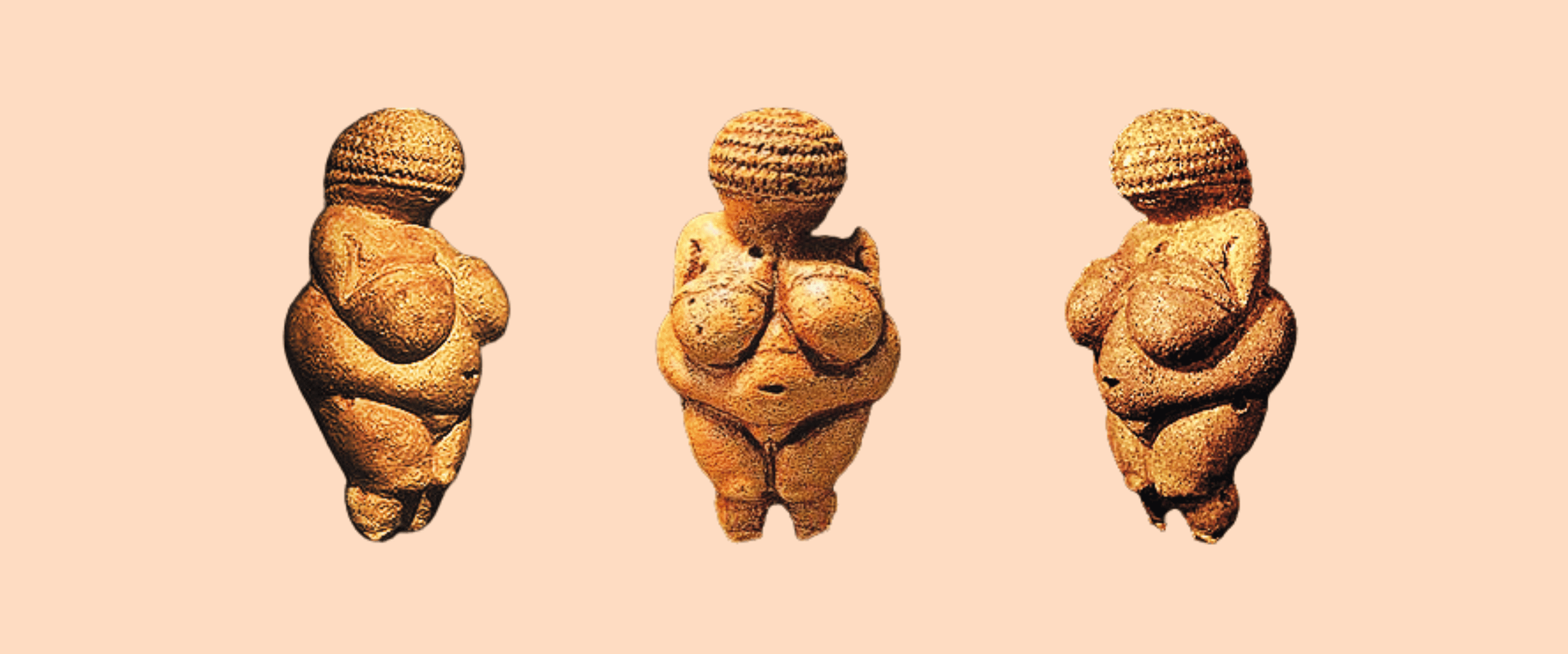
Because when we look back into ancient cultures, powerful female figures existed everywhere.
Not only as symbols of softness, beauty, or harmony - but as symbols of wisdom, protection, courage, destruction, leadership, and transformation.
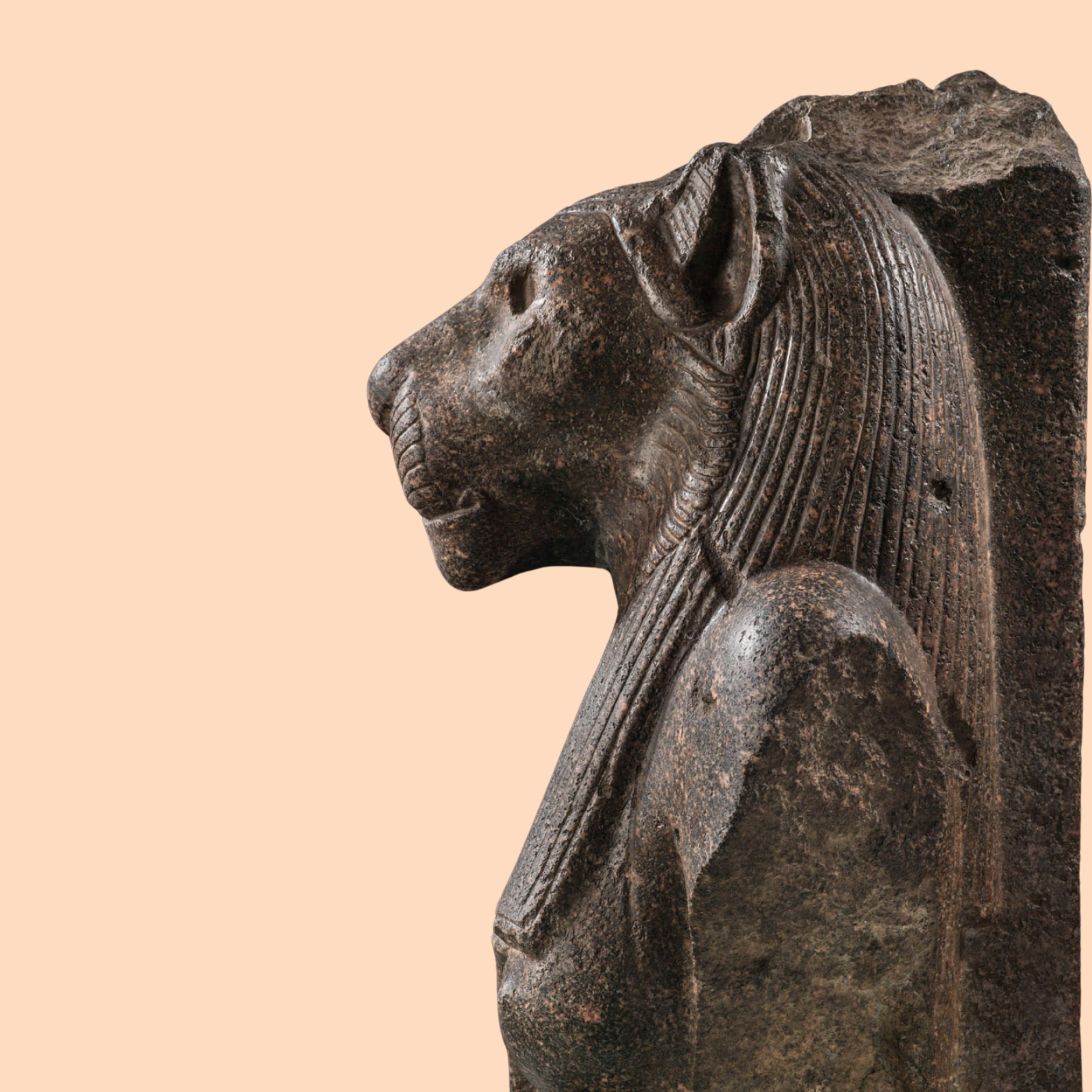
Sekhmet is one of them.
A lioness goddess.
Fierce.
Protective.
Powerful.
Not chaotic destruction - but purposeful force.
The kind of force that protects what matters.
The kind that refuses to tolerate injustice forever.
The kind that says:
“This ends here.”

The more I learned about her, the more I understood why her symbolism resonates with so many women today.
Because many of us are exhausted from constantly shrinking ourselves to remain acceptable.
Especially mothers.
Especially women living abroad.
Especially women rebuilding life after separation or divorce.
I live in Japan, and while I deeply appreciate many aspects of life here, I also see clearly how invisible women’s struggles can still become - particularly emotional labor, motherhood, caregiving, and the hidden mental load women carry every single day.
And this is not unique to Japan.
It exists in Western societies too.
Women are still often under-supported, under-protected, underrepresented, and expected to continue functioning no matter how much pressure they carry internally.
As mothers, we are often expected to absorb everything quietly.
Be emotionally available.
Be organized.
Be patient.
Be grateful.
Be resilient.
And somehow still look calm while doing it.
But real life does not work like that.
At some point, many women reach a moment where survival mode no longer feels sustainable.
For me, rebuilding my life after separation forced me to redefine what strength actually meant.
Not the version centered around endless endurance.
But something more honest.
More human.
Strength became:
setting boundaries
protecting my energy
asking for help
allowing therapeutic support into my life
learning to regulate instead of constantly pushing through
being present for my children while also refusing to disappear as a person myself
Over time, strength also became deeply connected to physical and mental well-being.
Not as something optional.
Not as luxury self-care.
But as the foundation everything else depends on.
I began spending more time outside.
Walking.
Breathing.
Spending long stretches near the ocean.
That’s why people often see beaches and water on my social media channels.
Not because my life is somehow perfectly peaceful now.
But because nature became one of the places where I slowly learned how to come back to myself.
And honestly, I think many women are craving exactly that right now: not perfection - but reconnection.
Reconnection to themselves.
To their bodies.
To their intuition.
To the parts of themselves that became silent while constantly caring for everyone else.
For me, this is also where Sekhmet’s symbolism becomes surprisingly modern.
She represents fierce protection - but not only outwardly.
Also inwardly.
Protecting your mental health.
Your energy.
Your dignity.
Your future.
Protecting your children by protecting yourself too.
And perhaps this is where empowerment begins to shift into something deeper than social media slogans.
Not empowerment as performance.
Not empowerment as superiority.
But empowerment as grounded self-respect.
The decision to stop abandoning yourself.
That doesn’t mean becoming emotionally hard.
Actually, I think many women become softer after reclaiming themselves - softer in the healthiest sense. More authentic. More emotionally honest. Less trapped inside roles that never fully fit them.
When I support women navigating separation, I often see how deeply guilt shapes their decisions.
Mothers especially carry enormous emotional weight.
We worry about our children.
About finances.
About stability.
About whether we are “allowed” to choose ourselves too.
But over and over again, I see the same truth emerge:
Children do not benefit from mothers disappearing emotionally in order to maintain appearances.
They benefit from emotionally present, grounded caregivers who slowly rebuild stability — even imperfectly.
And that rebuilding takes courage.
Not loud courage.
Not cinematic courage.
But everyday courage.
The courage to continue.
To learn.
To adapt.
To rest.
To ask for support.
To begin again.
Maybe that’s what strength actually is.
Not domination.
Not hardness.
Not constant resilience without limits.
But the willingness to protect what matters most - while refusing to lose yourself in the process.
And perhaps that is why Sekhmet still resonates today.
Because even now, women are still learning that fierceness and care are not opposites.
They belong together.
Author Bio
Tilly Takano is a breakup & empowerment coach and mom of three, supporting women rebuilding their lives after separation while raising children abroad. Her work explores emotional resilience, identity, motherhood, and the quiet strength it takes to begin again.